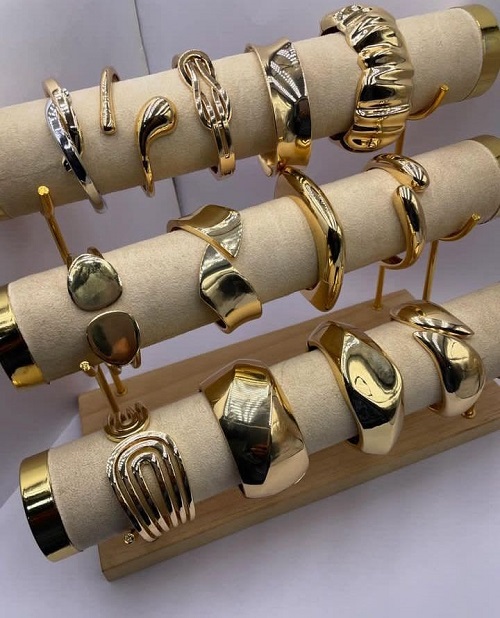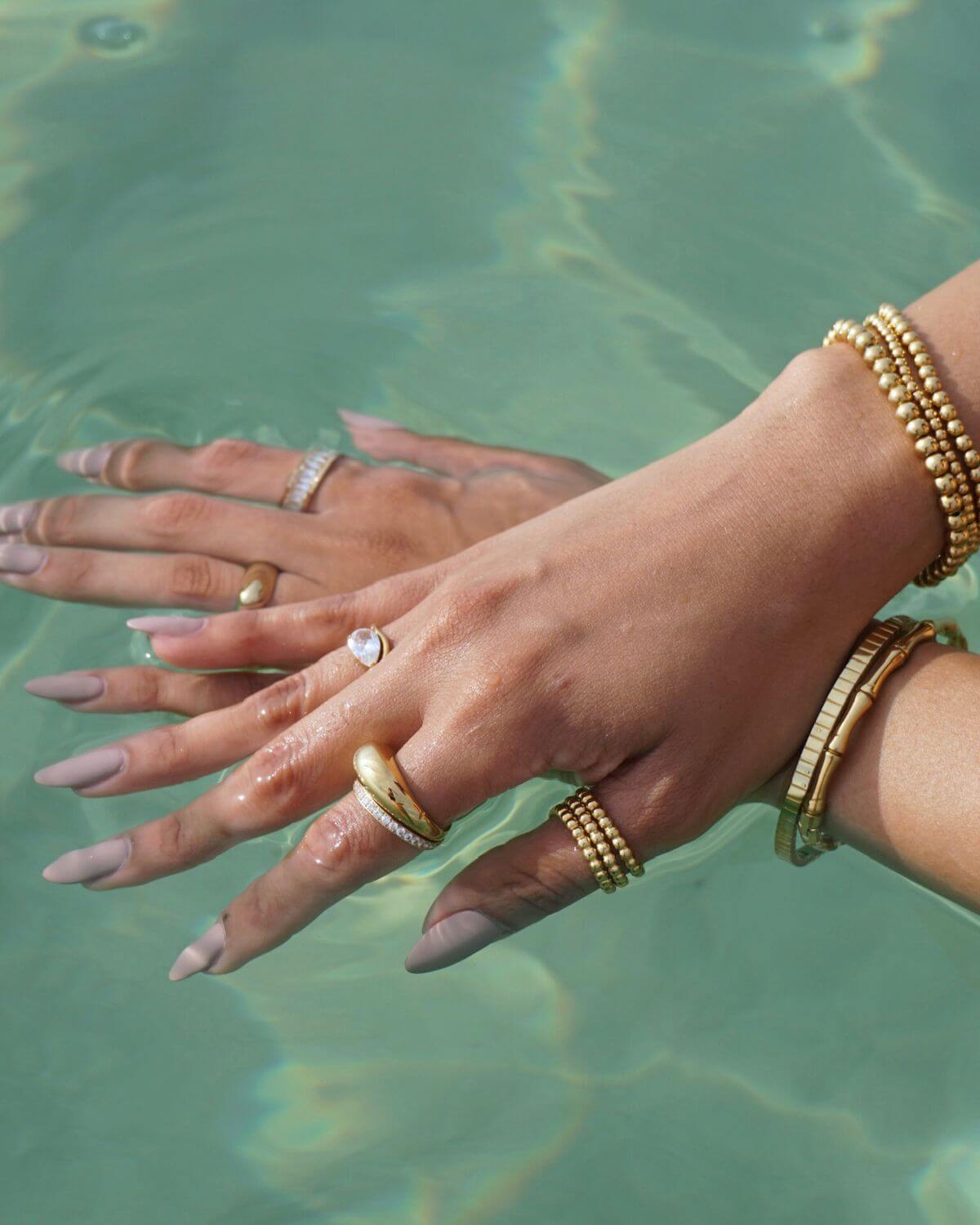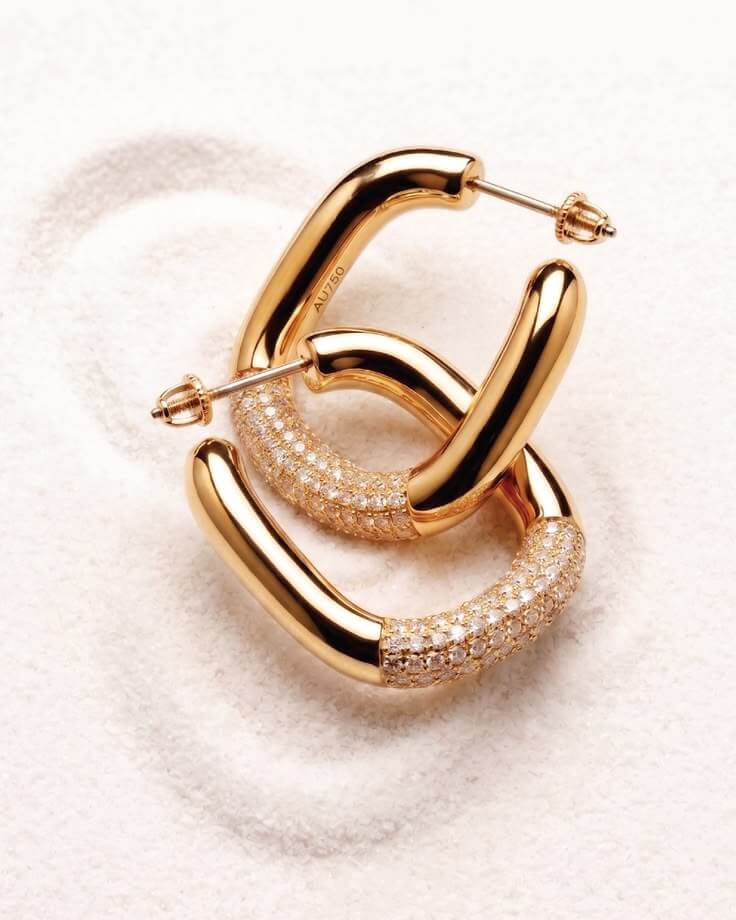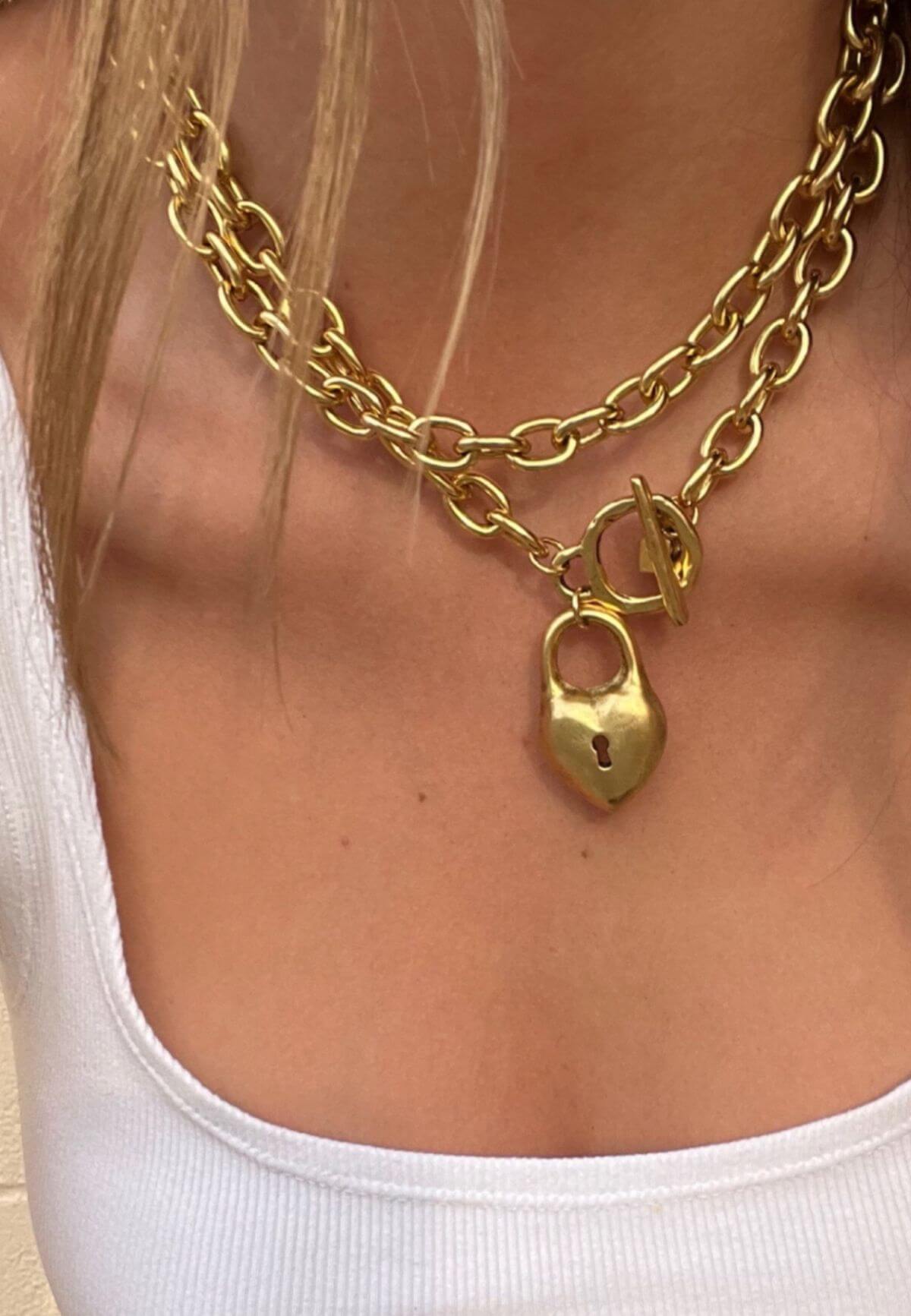

Gold-tone stainless steel jewelry has become very popular because it pairs a rich gold look with solid daily durability. To create this finish, modern workshops use physical vapor deposition inside high-temperature vacuum chambers. This clean method bonds metallic color directly onto the base metal, creating a surface that handles daily friction far better than traditional decorative layers.
However, buyers and jewelry brands often ask whether this gold color fades over months of regular wear. Will daily exposure to sweat, water, and lotion cause the shiny finish to peel away? How long can a coated ring or chain keep its color before showing bare metal? Clear answers require a realistic look at how vacuum coatings perform.
This guide explains how physical vapor deposition works from an engineering viewpoint. We will review realistic coating lifespans, examine the main causes of surface wear, and share simple habits to protect your pieces. By learning how PVD jewelry manufacturers prepare and treat metal surfaces, you can make smarter choices for personal collections or product lines.
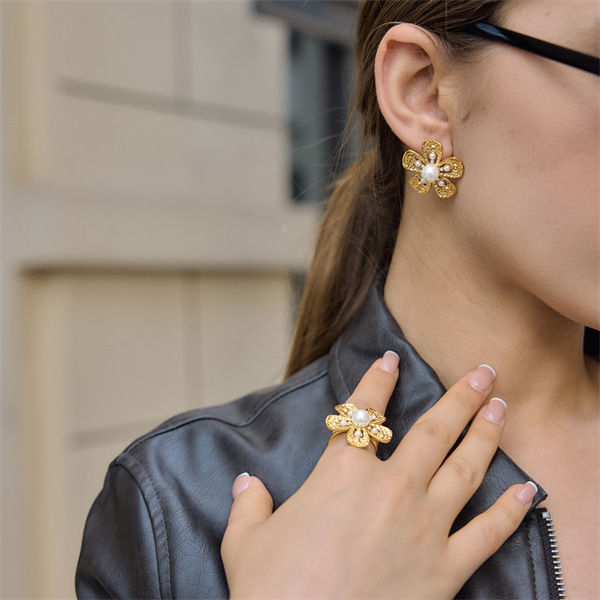
What Is PVD Jewelry and Why Is It Known for Durability?
Physical vapor deposition gives modern jewelry its distinct balance of style and strength. Before looking at how long these pieces stay bright, we need to understand how the vacuum process works.
Physical vapor deposition is an industrial coating method carried out inside a sealed vacuum chamber. Technicians place clean metal pieces inside the chamber and pump out the air. High energy vaporizes solid target metals like titanium or real gold into tiny gas particles. These particles travel straight toward the jewelry and bond tightly with the base metal surface.
This atomic bonding creates a dense, uniform protective shield across every curve of the piece. Unlike wet chemical dipping, the vaporized particles form a strong physical lock with the metal underneath. The resulting thin film resists peeling and chipping under regular friction, which helps the jewelry keep its clean color and finish for a very long time.
Jewelry makers often pair this vacuum process with stainless steel because of its natural durability. Stainless steel is strong, resistant to rust, and safe for sensitive skin during all daily activities.
Does PVD Jewelry Fade Over Time?
PVD jewelry does not easily fade, tarnish, or flake off during regular daily wear, but it is not completely permanent over a lifetime. While the vacuum bonding process creates a hard shield that resists water and sweat, constant physical friction will slowly thin the outer layer across several years.
Is PVD Jewelry Completely Fade-Proof?
No metallic surface finish is entirely fade-proof because physical contact always creates microscopic friction over time. When you wear a ring or bracelet every day, it constantly rubs against clothes, desks, and other hard items. Over a long period, this ongoing abrasion slowly wears down the outer colored layer.
However, vacuum coatings never peel or flake off in patches like cheap electroplated jewelry. Instead of chipping away, the surface thins out very slowly and evenly across the metal piece. Most people enjoy years of daily wear before noticing any soft color lightening at high-contact corners.
Why Does PVD Jewelry Usually Keep Its Color Longer?
The secret to this long color life is the strong atomic bond formed inside the vacuum chamber. High energy causes vaporized metal particles to penetrate the actual surface of the stainless steel base. This tight physical hold prevents sweat and water from creeping beneath the coating and causing rust.
In addition, the deposited layer forms a dense crystal structure that resists common daily abrasions. This tough exterior protects against chemicals, pool chlorine, and natural body oils that quickly destroy traditional plating. As a result, everyday items like chains and rings stay bright and fresh through years of continuous use.
How Long Does PVD Coating Really Last?
Under normal wearing conditions, high-quality PVD coating typically lasts between two to five years or even longer before showing noticeable wear. The exact lifespan is never a single fixed number because surface longevity depends on how often you wear the piece, the quality of the base metal, and specific factory production standards.
For everyday items like rings and bracelets that face heavy friction, a standard coating usually keeps its rich color for two to three years. On the other hand, earrings and pendants experience far less physical contact. As a result, these protected items can easily maintain their original golden shine for five years or more.
However, product performance varies widely across the jewelry market. A budget piece made with poor surface prep might start fading within twelve months of regular use. In contrast, well-made pieces crafted from medical-grade stainless steel with dense multi-layer coatings resist daily sweat, water, and gentle soap for many years without losing their luster.
What Factors Affect PVD Jewelry Lifespan?
Four main factors determine how long physical vapor deposition jewelry keeps its color. These include the base metal grade, workshop surface prep, coating thickness, and your daily wearing environment. Understanding these points helps you separate well-made pieces from budget items that quickly lose their golden shine.
1. Quality of the Base Material
The metal underneath the color layer forms the foundation of the piece. Most durable jewelry uses 316L medical-grade stainless steel because it has high corrosion resistance. This alloy contains molybdenum, which prevents pitting and rust from attacking the metal underneath. If a workshop uses cheap zinc or low-grade steel, moisture can corrode the base and ruin the outer bond.
2. Surface Preparation Before Coating
Factory cleaning steps directly decide how well the color layer sticks to the base metal. Before entering the vacuum chamber, pieces go through multi-stage ultrasonic wash cycles to strip away oils and dust. In standard manufacturing practice, technicians also use ion bombardment to clean the metal at an atomic level so the coating bonds without peeling.
3. PVD Coating Quality and Thickness
Thicker layers are not automatically better if the recipe lacks balance. A coating that is too thick can become brittle and crack under stress. Well-run workshops balance target purity, chamber heat, and film thickness around 0.3 to 0.5 microns. They also run scratch and tape pull tests on daily batches to verify strong surface adhesion.
4. Wearing Environment
External conditions play a huge role in overall finish durability. Frequent exposure to salty sweat, high humidity, pool chlorine, and harsh perfumes can speed up physical surface wear. Rings and bracelets also rub against rough desks and steering wheels daily. These high-contact pieces need more careful handling than items that sit flat against your skin.
PVD Jewelry vs Gold Plated Jewelry: Which Keeps Color Longer?
PVD jewelry keeps its color significantly longer than traditional gold plated jewelry under daily wearing conditions. While standard electroplating uses an electric current to place a thin decorative gold layer over brass or copper, vacuum deposition locks vaporized color particles directly into the stainless steel surface at high temperatures.
| Feature | PVD Jewelry | Gold Plated Jewelry |
| Coating Method | Vacuum deposition | Electrochemical plating |
| Bonding Strength | High atomic bond | Moderate chemical bond |
| Color Durability | Retains color for 2 to 5 years | Often fades within 6 to 12 months |
| Base Metal Compatibility | Best with stainless steel & titanium | Typically applied over brass, copper, or silver |
| Water & Sweat Resistance | High resistance | Low to moderate resistance |
| Daily Wear Suitability | Excellent for continuous wear | Requires careful maintenance and dry storage |
Is PVD Jewelry Waterproof and Safe for Everyday Wear?
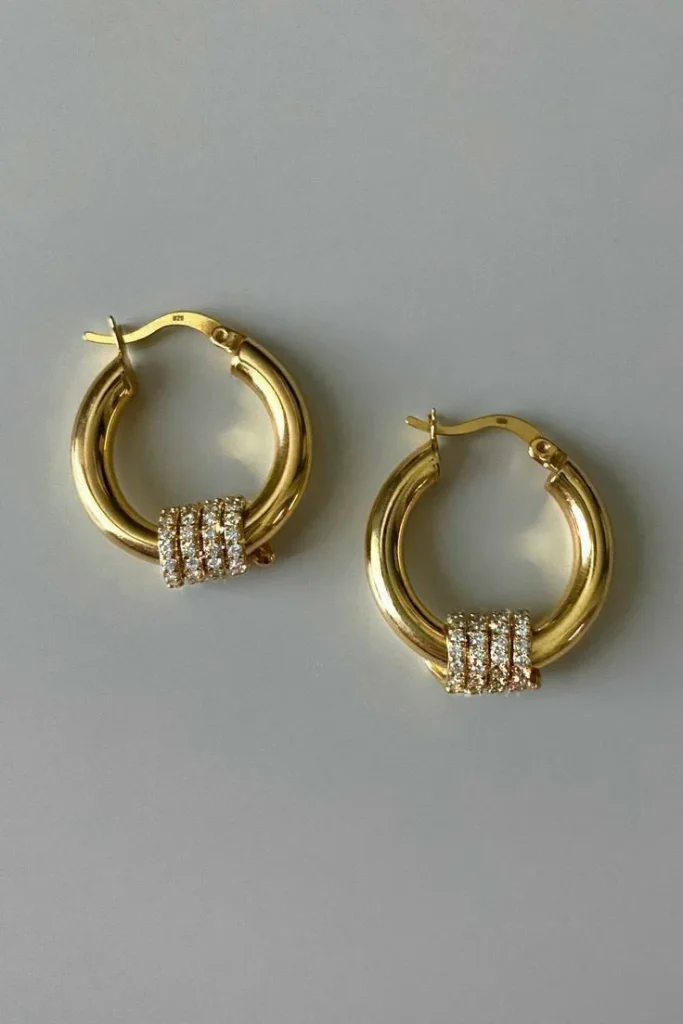
PVD jewelry is waterproof, sweat-resistant, and completely safe for everyday wear under typical conditions. The vacuum-bonded finish creates a solid barrier that protects the base metal from tap water, body moisture, and gentle soaps. This allows wearers to keep their rings and necklaces on during routine daily tasks without fear of rust.
You can shower with quality vacuum-coated stainless steel pieces because warm water and body wash do not dissolve the metallic layer. However, frequent exposure to bath salts, exfoliating scrubs, or hard tap minerals will slowly wear down the outer polish over time. Rinsing your pieces with clean, fresh water after showering keeps them looking sharp.
Wearing these pieces during workouts or heavy exercise is also safe because the dense coating resists natural sweat acids. Still, heavy gym weights or metal equipment can leave physical gouges on the ring surface if pressed too hard. Removing rings before lifting heavy barbells prevents deep scratches that no surface treatment can stop.
How Manufacturers Ensure Long-Lasting PVD Jewelry Quality
Manufacturers secure long-lasting PVD jewelry quality through careful raw material selection, strict vacuum chamber control, and multiple inspection steps before packaging. Producing reliable pieces requires tight control over every production phase rather than just running a coating machine. Professional workshops treat coating as a complete manufacturing system.
Material Selection
Long-lasting quality begins with choosing the correct grade of stainless steel. Reliable factories use solid 316L stainless steel for all base pieces to prevent rust and skin irritation. Quality teams inspect incoming raw metal rods and cast parts to verify material composition and confirm the surface has no hidden air pockets or deep tooling marks.
Controlled PVD Process
Inside the coating room, technicians maintain high vacuum levels and exact heating cycles between two hundred and four hundred degrees. They monitor gas flow rates, target purity, and deposition time to create an even atomic film across every piece. Balancing these technical settings prevents the color layer from becoming brittle, soft, or uneven across production batches.
Quality Inspection
Before finished jewelry leaves the workshop, it passes through multiple quality gates. Quality control teams check color consistency under standard light boxes to catch minor shade differences. They also perform cross-hatch adhesion tape tests, artificial sweat dip tests, and surface scratch checks to verify the bond holds strong under real daily wear conditions.
How to Choose High-Quality PVD Jewelry
Choosing high-quality PVD jewelry requires checking three essential elements: the base alloy, the specific coating method, and factory testing standards. Whether you are buying a single piece for personal wear or sourcing an entire collection for a fashion brand, paying attention to these physical details separates long-lasting items from cheap imitations that fade quickly.
1. Check the Base Metal Grade
Always verify that the base metal is genuine 316L medical-grade stainless steel. Lower grades of steel or soft brass cores can corrode underneath the gold layer when exposed to daily moisture. Premium pieces feel solid in hand, feature smooth edge polishing, and resist tarnishing even if worn constantly against sensitive skin.
2. Confirm the Coating Method
Make sure the seller explicitly uses vacuum deposition rather than conventional liquid electroplating. While standard plating leaves a soft gold layer that scratches easily, genuine vacuum coating locks metallic ions deep into the base metal. Look for technical specifications showing film thicknesses between 0.3 and 0.5 microns for balanced durability and color depth.
3. Look for Manufacturing Transparency
Choose suppliers and brands that share clear details about their production and quality control. Experienced custom jewelry manufacturers like S&J Jewellery test incoming steel, track vacuum chamber heat, and conduct strict cross-hatch adhesion checks. Clear testing proof guarantees that your jewelry keeps its rich luster across years of regular wear.
Final Thoughts: Is PVD Jewelry Worth Choosing?
PVD jewelry is an excellent choice because it pairs deep color with solid daily durability compared to older coating styles. Vacuum bonding locks color particles directly into stainless steel, producing a water-resistant layer that holds up against everyday friction. This modern process makes gold-tone accessories practical for daily wear without fast fading.
However, total lifespan depends on combined manufacturing and care factors. Base metal purity, surface polishing, coating parameters, and everyday habits like wiping off sweat all determine how many years your piece stays bright. Choosing medical-grade steel and taking basic precautions helps rings and chains look new across years of active use.
Understanding these technical steps helps brands and shoppers choose durable stainless steel accessories with total confidence. If you are developing a custom product line, partnering with experienced manufacturing specialists like S&J Jewellery provides complete quality control from raw steel selection to final vacuum coating.

Samuel Li
As Co-founder of S&J Jewellery(Est 2010), I oversee business development, sales, and production. I've successfully managed over 1,000 custom jewelry projects for global brands. My expertise in jewelry manufacturing solutions, combined with strong communication and market insights, has earned lasting trust from international partners. I ensure every project reflects precision and reliability.