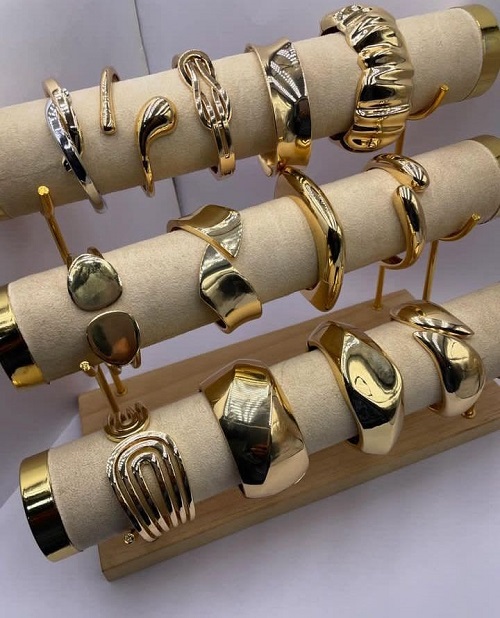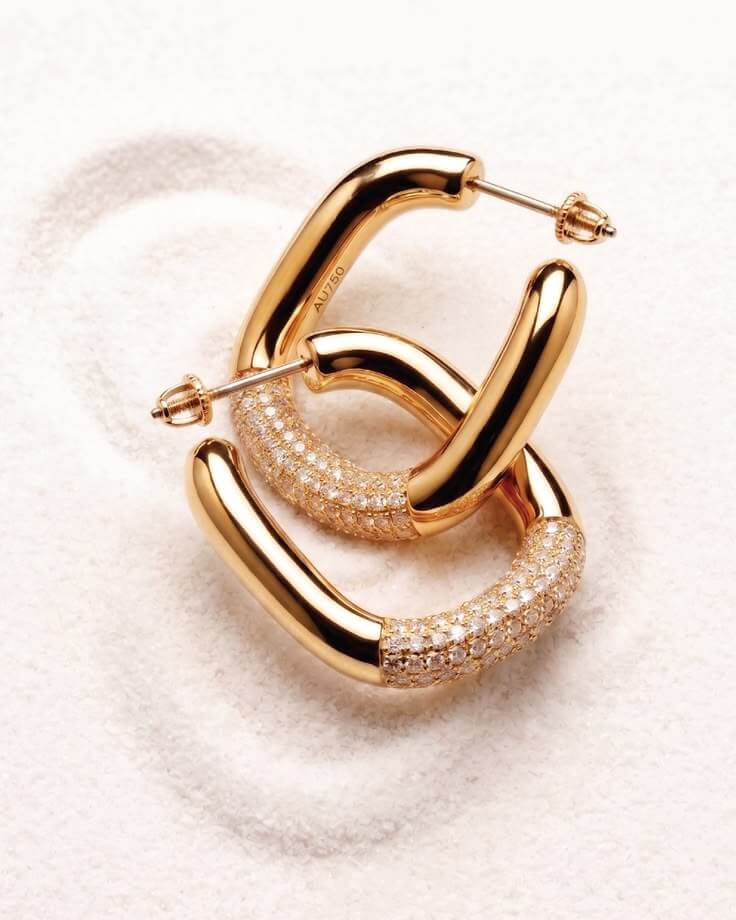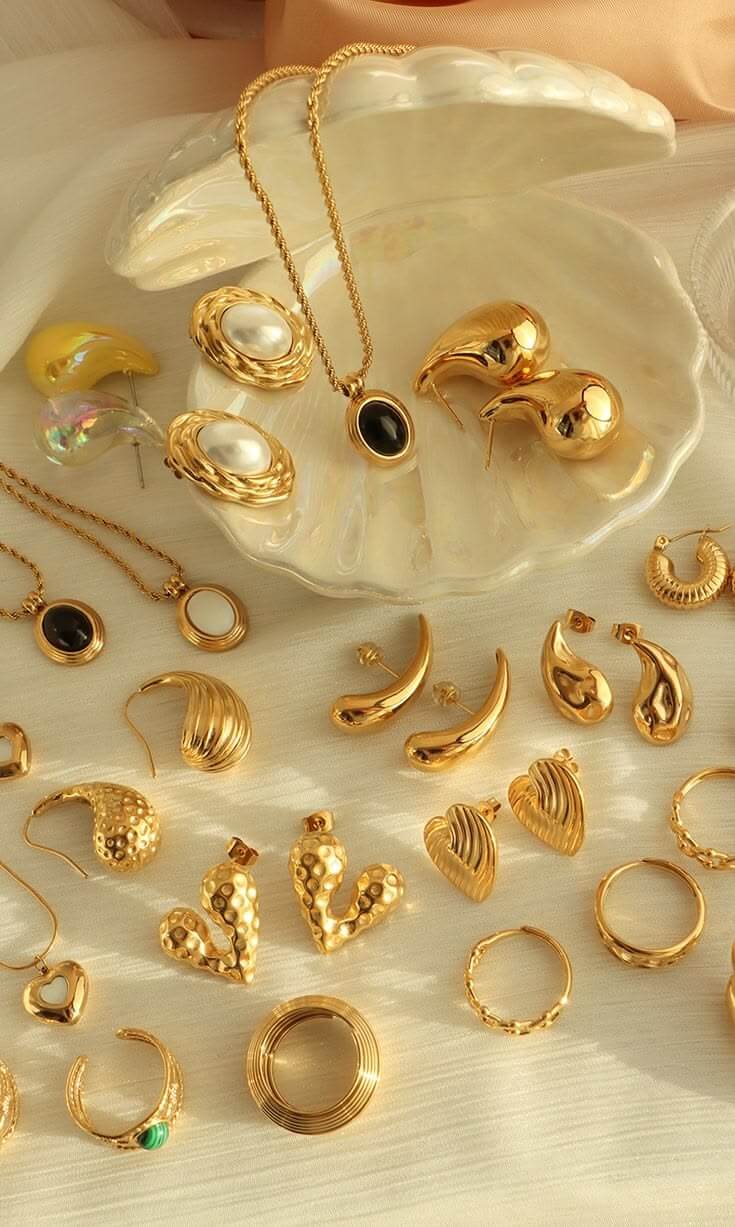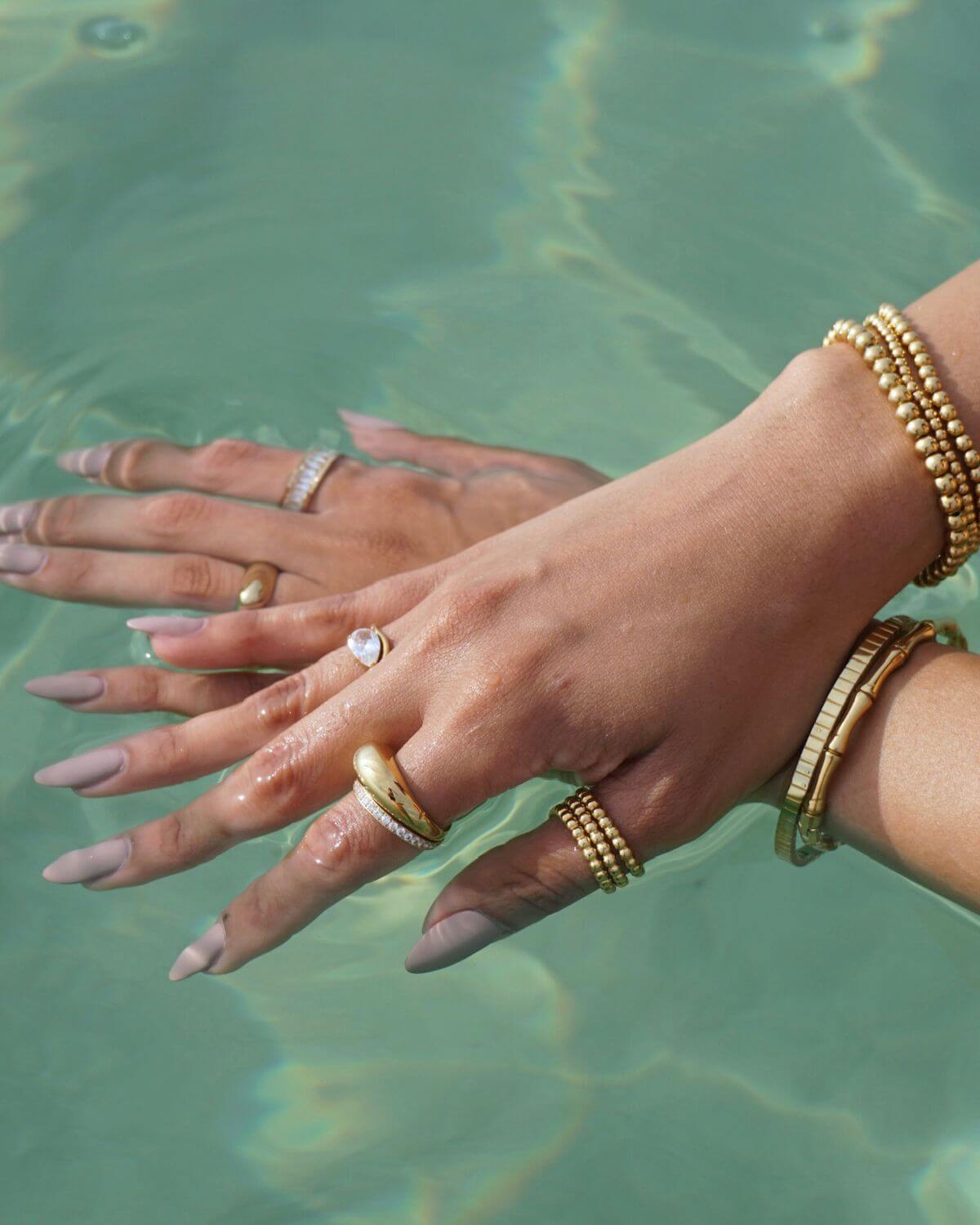

PVD gold jewelry has become popular because it delivers a rich golden look with much better durability than traditional plating. From our daily manufacturing experience, wearers always ask if they should remove rings and chains before swimming, showering, or visiting the beach. People simply want beautiful gold pieces that survive real life without tarnishing or turning skin green.
Can PVD gold jewelry go in the pool? Is ocean water safe for vacuum-bonded coatings? Can you shower with your favorite pieces? These practical questions matter whether you wear jewelry every day or build collections for your own brand. Knowing how moisture, heat, and minerals interact with gold layers sets realistic expectations for product care and long-term durability.
This guide explains how different water environments affect PVD gold finishes and what practical steps protect their shine. We will look closely at the manufacturing facts behind moisture contact, compare common water types, and share simple care habits.
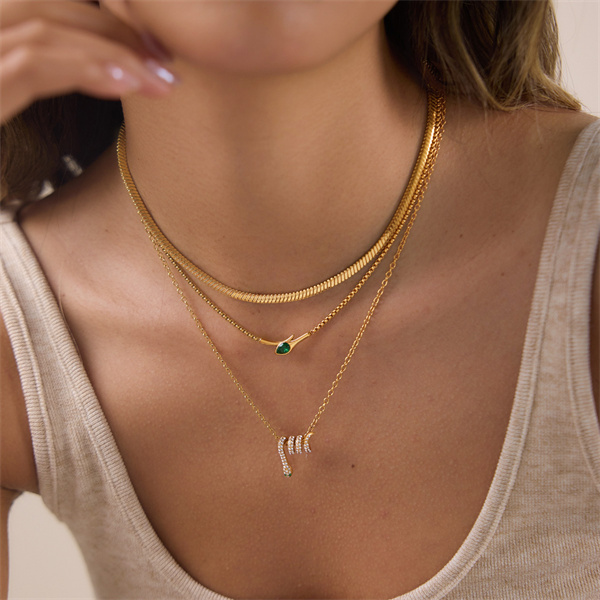
What Makes PVD Gold Jewelry Different from Traditional Gold-Plated Jewelry?
Traditional gold plating dips a base metal into a liquid chemical bath using an electrical current. While this creates a quick shiny layer, that surface can rub off easily when exposed to moisture and daily friction. Physical Vapor Deposition works differently because it changes how the gold layer sticks to the base metal on an atomic level.
PVD is a high-tech vacuum coating technology that vaporizes solid gold inside a heated vacuum chamber. These vaporized metal particles travel across the chamber and bond tightly with the base metal surface. This process creates a dense coating structure that locks onto the base material much better than a liquid electroplating bath ever could.
Because of this atomic bond, PVD is designed to create a more durable surface compared with many traditional plating methods. The resulting gold layer resists scratches, sweat, and water much longer. It does not peel off in flakes like standard flash-plated items often do when you wear them every day.
Why Stainless Steel Is Commonly Used for PVD Gold Jewelry
Base metal choice plays a huge role in how well gold jewelry handles water. While traditional plating often uses soft brass or copper, modern PVD gold jewelry relies heavily on stainless steel. Stainless steel offers excellent natural corrosion resistance, structural strength, and high durability, making it suitable for active daily wear.
Jewelry makers often choose 316L stainless steel as the primary base for high-grade PVD pieces. This marine-grade alloy contains molybdenum, which prevents rust and pitting from salty water or sweat. When you pair a strong 316L core with a tight PVD gold shell, the jewelry handles moisture without breaking down.
Can You Wear PVD Gold Jewelry in the Shower?
Yes, you can wear PVD gold jewelry in the shower, but doing so every day is not ideal if you want it to last. While clean water will not strip the vacuum-bonded coating from stainless steel, standard bath products create hidden problems. Understanding what happens when soaps and hot steam touch the metal keeps your pieces bright.
How Water and Soap Affect PVD Jewelry
Plain tap water causes minimal harm to a strong PVD gold layer. The actual problem comes from everyday hygiene products like shampoos, body washes, and bar soaps. These liquids leave a thin film of soap residue across the metal. Over time, this buildup dulls the shiny finish and traps moisture right against the surface.
Exfoliating scrubs and scented cleansers also contain mild chemicals that stress the gold coating. Hot shower water makes the metal expand slightly, allowing soapy residue to settle deep inside clasps and tight chain links. Even though the gold will not peel away, repeated chemical contact slowly breaks down the outer surface luster.
Is Daily Showering Safe for PVD Jewelry?
High-grade PVD jewelry easily handles occasional water contact without turning your skin green or flaking off. You do not need to worry if you forget to take off a ring before washing your hair. The tight atomic bond protects the base metal well, so brief moisture exposure will not cause immediate harm.
However, making shower wear a daily habit will shorten the lifespan of the gold color. Hot steam, constant chemical contact, and towel friction wear down the surface over time. If you do wear your pieces in the shower, rinse them with clean water and dry them completely with a soft cloth.
Can You Wear PVD Jewelry in a Swimming Pool?
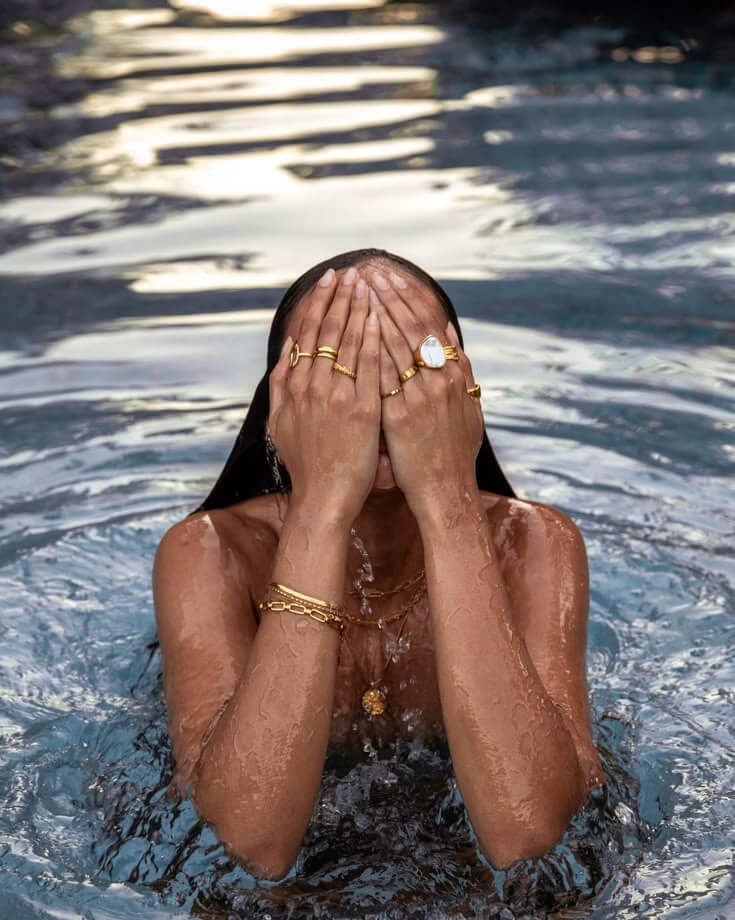
No, you should avoid wearing PVD gold jewelry in a swimming pool on a regular basis, even though it can survive brief accidental dips. Pool water contains strong sanitizing chemicals that behave very differently from clean shower water. Knowing how these active pool additives affect vacuum-applied finishes helps you protect your gold jewelry from premature surface damage.
How Chlorine Affects Jewelry Coatings
Swimming pools contain chlorine, which serves as a powerful oxidizer designed to kill bacteria and algae in public water. While physical vapor deposition creates a tight bond with stainless steel, heavy oxidizing agents like chlorine still attack the outer finish over time. Constant chemical exposure breaks down the protective top layer and dulls the golden luster.
Chlorinated water also penetrates tiny microscopic gaps around gemstones, clasps, and mechanical joints. When the pool water dries out, active chlorine crystals remain trapped inside these hard-to-reach areas. This persistent chemical residue continues to react with the metal, which may accelerate wear and weaken internal spring mechanisms inside your favorite jewelry pieces.
Should You Remove PVD Gold Jewelry Before Swimming?
If you jump into a pool wearing your jewelry once or twice, it will not ruin your piece immediately. High-grade 316L stainless steel cores resist corrosion, so the jewelry will not turn your neck green right away. You do not need to panic over a quick swim, provided you rinse the piece with fresh tap water right after.
However, if you swim frequently or do pool workouts, taking off your gold jewelry beforehand is the smartest choice. Removing your pieces eliminates chemical exposure and prevents unnecessary surface stress from rough pool edges and lane dividers. Taking this simple step keeps the gold finish looking rich, glossy, and fresh for many years.
Can You Wear PVD Gold Jewelry in the Ocean?
Yes, you can wear PVD gold jewelry in the ocean, but saltwater requires much more care than fresh tap water. While a solid vacuum-coated layer shields the stainless steel core from direct contact, sea conditions create extra mechanical stress. Knowing how salt crystals interact with metal helps you protect your favorite beach jewelry from dulling.
How Salt Water Interacts with Jewelry
Ocean water contains high levels of dissolved sodium chloride, magnesium, and other natural minerals. When you swim in the sea, these tiny salt minerals cling to the outer surface of your jewelry. As the ocean water evaporates under warm sunlight, it leaves behind a sharp, crusty layer of white salt residue.
This mineral crust acts like very fine sandpaper against your pieces during movement. Repeated friction from wet sand and heavy ocean waves can scratch the outer gold coating over time. Furthermore, trapped salt crystals attract continuous moisture from the air, which slowly clouds the metal and harms surface cleanliness if left unwashed.
Is Ocean Water Worse Than Fresh Water?
Ocean water is definitely tougher on jewelry finishes than normal fresh tap water. Fresh water carries low levels of minerals and causes minimal friction against polished gold surfaces. In contrast, sea water combines corrosive salt minerals with floating sand grains, creating higher mechanical and chemical stress across the entire metal exterior.
Because of these harsh ocean elements, beach exposure demands immediate cleaning habits. A quick ocean swim will not peel away your PVD gold layer right away. However, you must always rinse your pieces thoroughly with fresh water right after leaving the beach to dissolve all trapped salt crystals completely.
Is PVD Gold Jewelry Waterproof?
No, PVD gold jewelry is not completely waterproof, but it is highly water-resistant. While marketing ads often claim that gold pieces are totally waterproof, the jewelry industry uses more precise technical terms. Understanding the true difference between waterproof protection and high water resistance helps buyers and wearers set realistic expectations for daily use.
Water Resistance vs Waterproof Jewelry
In the jewelry world, water-resistant means a metal piece can handle moisture, sweat, and occasional splashes without peeling or losing its color. On the other hand, waterproof implies that an item will never suffer water damage under any condition, depth, or timeline. True waterproof claims are rare in fashion jewelry manufacturing.
Physical vapor deposition creates a strong physical shield that stops moisture from penetrating the gold layer. However, tiny gaps around clasps, stones, and micro-welds can still trap moisture over prolonged periods. Calling these pieces water-resistant is technically accurate because the coating protects the metal without guaranteeing total immunity against endless soaking.
Real water resistance depends heavily on coating thickness, vacuum adhesion, and base metal preparation during manufacturing. A well-bonded gold layer on 316L stainless steel handles daily hand washing, rain, and light workouts easily. Yet, extreme water pressure or harsh hot steam can still challenge the microscopic integrity of the protective barrier.
For jewelry brands and everyday shoppers, recognizing these practical limits prevents disappointment. High-quality PVD items resist water far better than standard plated brass, making them dependable for daily wear. Treating your jewelry with reasonable care allows the water-resistant coating to keep its golden color bright and fresh for many years.
What Factors Determine PVD Jewelry’s Water Resistance?
Water resistance in PVD jewelry depends on base metal quality, coating thickness, surface cleaning, and strict factory controls. In our daily manufacturing practice, we see that water durability is built long before applying gold. Understanding what happens inside the factory shows why some jewelry handles moisture much better than standard market pieces.
Quality of Stainless Steel Base Material
The base metal acts as the physical foundation for every gold layer. Professional makers select genuine 316L stainless steel because its molybdenum content stops deep pitting from salty moisture. If a factory uses cheaper recycled steel with hidden microscopic pores, trapped water causes internal rust that forces the gold coating to lift from below.
PVD Coating Quality
Coating performance relies on precise layer thickness and atomic adhesion inside the vacuum chamber. Instead of basic spraying, high-energy ion bombardment drives vaporized gold atoms deep into the steel surface. This atomic bond creates a dense barrier without micro-cracks, preventing pool chemicals and bath soaps from getting underneath the golden finish.
Manufacturing and Quality Inspection
Factory cleaning protocols determine whether the gold layer stays attached for years. Before entering the vacuum chamber, S&J products pass through multi-stage ultrasonic degreasing to strip away all polishing compounds and microscopic oil residues. Even a tiny fingerprint can ruin atomic adhesion, causing the outer gold film to peel away during normal shower use.
In addition, our finished pieces face forty-eight hours in heated salt spray chambers and multi-day synthetic sweat baths. Cross-hatch tape tests then verify that the bond holds firm. These checks prove the gold layer will not bubble, discolor, or flake in water.
Does Water Exposure Make PVD Jewelry Fade Faster?
No, clean water by itself does not make PVD jewelry fade faster. Pure moisture cannot easily break the atomic bond between gold and stainless steel. Instead, rapid color loss happens when water carries harsh chemicals or when wet pieces rub against rough surfaces. Recognizing what truly triggers wear keeps your jewelry bright.
Common Causes of PVD Color Loss
Chemical contact is the primary reason gold finishes lose their deep color. Daily grooming products like alcohol-based perfumes, scented body lotions, and acidic skin sprays eat away at the outer shine. Household cleaning agents and chlorinated pool water create chemical reactions that slowly break down the protective top layer over time.
Physical friction causes severe damage when items rub against harder objects. Daily activities like lifting gym weights, wearing stacked metal bangles, or wiping jewelry with abrasive cloths strip away the gold coating. Scratches break the sealed surface, creating open entry points where sweat and moisture can settle and cause premature wear.
Poor manufacturing and thin coating layers also lead to rapid discoloration. If a factory skips proper degreasing or applies a gold layer that is too thin, the bond stays weak. Even normal moisture can lift poorly attached coatings. High-quality vacuum deposition prevents early peeling by locking the gold securely onto the steel base.
How to Care for PVD Gold Jewelry After Water Exposure
Caring for PVD gold jewelry after water exposure requires quick rinsing, thorough drying, and gentle handling. While the gold coating resists moisture well, allowing dirty pool chemicals or salty sea minerals to dry on the surface will slowly damage the finish. Simple daily cleaning habits protect your jewelry and keep the golden shine looking fresh.
Rinse After Swimming
Always rinse your jewelry under fresh tap water immediately after swimming in a pool or the ocean. Chlorine and saltwater leave aggressive residues that sit directly against the metal. A quick thirty-second rinse under lukewarm running water dissolves these minerals before they can crystallize and cause microscopic surface friction across your gold finish.
Dry Jewelry Properly
Never leave wet jewelry sitting on a bathroom counter to dry on its own. Air drying allows trapped water droplets to leave cloudy mineral spots on the metal. Moisture buildup around clasps and stone settings can also weaken internal mechanical springs. Pat each piece dry immediately with a clean, lint-free microfiber cloth.
Avoid Harsh Cleaning Methods
Gentle cleaning is the best way to maintain physical vapor deposition finishes over many years. Never use abrasive jewelry polishes, chemical dip liquids, or stiff toothbrushes on coated items. These harsh tools create fine scratches on the golden shell. Mild dish soap, warm water, and a soft cloth are all you need.
Is PVD Gold Jewelry Suitable for Everyday Wear?
Yes, PVD gold jewelry is one of the best choices for everyday wear on the modern market. Combining a tough vacuum coating with a strong stainless steel base allows these pieces to handle busy daily lifestyles easily. They provide the warm look of real gold without demanding the high price or delicate care of solid metal.
Modern jewelry lovers wear these pieces daily because they offer exceptional resistance against scratches and sweat. Whether you choose minimal rings, bold chains, or simple hoop earrings, the protective gold layer stays bonded to the metal core. You can wear them to work, casual outings, and light gym sessions without worrying about dark skin discoloration.
Low maintenance is another major advantage for active jewelry wearers. Unlike traditional electroplated brass that tarnishes quickly, stainless steel pieces keep their shine with basic routine care. You only need a quick freshwater rinse and a soft cloth wipe to remove daily body oils, cosmetic residue, and dust collected throughout the day.
Even with great durability, proper long-term care still matters for daily pieces. Avoiding abrasive cleaning brushes and taking off rings before heavy manual work prevents deep surface scratches. When treated with reasonable care, high-quality PVD items will remain bright, glossy, and fresh through many years of continuous daily use.
How Jewelry Brands Evaluate PVD Water Resistance
Jewelry brands evaluate PVD water resistance through raw material checks, coating tests, and laboratory simulations. Professional buyers look beyond simple surface claims to verify how pieces hold up against real moisture. Setting strict technical requirements helps brands build reliable waterproof collections that protect their reputation and reduce customer returns.
Material Selection and Verification
Quality evaluation begins by verifying the exact base metal composition before any coating takes place. Reliable PVD jewelry manufacturers use spectrometer testing to confirm that the steel meets genuine 316L standards. Low-grade steel with hidden impurities causes tiny chemical reactions under water, leading to rust spots that lift the gold layer from the inside out.
Coating Performance and Thickness Consistency
Brands evaluate gold film adhesion and thickness across the entire production batch. Using X-ray fluorescence machines, technicians measure coating thickness to verify even coverage on curves and deep hollows. For example, S&J applies strict in-process quality control and cross-hatch tape tests during production, verifying that the gold film stays locked under wet conditions.
Standardized Laboratory Testing
Before mass production approval, pieces undergo intensive laboratory exposure tests. Neutral salt spray chambers test corrosion resistance by spraying warm saline mist onto pieces for over forty-eight continuous hours. Samples also sit in synthetic sweat baths containing lactic acid and sodium chloride to replicate long days of summer wear.
Final Surface and Wear Inspection
The evaluation wraps up with detailed mechanical wear testing and microscopic surface checks. Automated friction wheels rub coated samples with denim cloth or abrasive pads to measure scratch resistance. Quality inspectors then check the pieces under high magnification to confirm that no micro-blisters, dark spots, or color shifts occurred during testing.
Final Thoughts: Can You Wear PVD Gold Jewelry in Water?
PVD gold jewelry is engineered to be far more durable than traditional flash-plated options. Modern vacuum coating creates an atomic bond over stainless steel that resists rust, sweat, and tarnishing. While pool water, ocean salt, and hot showers do not immediately ruin coated jewelry, repeated chemical exposure and trapped moisture will shorten the life of that golden shine.
Maximizing the lifespan of your collection comes down to picking high-purity base metals, using dependable vacuum deposition, and practicing basic post-water care. Professional manufacturers like S&J Jewellery help brands develop reliable, waterproof-tested jewelry lines that hold up during active daily use. A quick freshwater rinse and thorough drying keep every piece bright and clean for years.
Understanding how physical vapor deposition responds to moisture helps consumers and jewelry businesses make smarter purchasing decisions. When you know the real limits of water resistance, you can enjoy your favorite gold designs every day without fear of sudden fading. Choose well-made pieces, rinse them after swimming, and let your jewelry shine through all your daily activities.

Samuel Li
As Co-founder of S&J Jewellery(Est 2010), I oversee business development, sales, and production. I've successfully managed over 1,000 custom jewelry projects for global brands. My expertise in jewelry manufacturing solutions, combined with strong communication and market insights, has earned lasting trust from international partners. I ensure every project reflects precision and reliability.