


The jewelry wholesale market is changing faster than ever. Are you struggling to keep up with the explosive demand for PVD stainless steel jewelry? Are you unsure which manufacturers truly comply with REACH and Prop 65 regulations? If your goal is to launch a profitable, fully compliant private label jewelry line in 2025, you need more than just a list of suppliers—you need a low-risk strategy.
This guide is your single action plan for 2025. We will cover the new market trends, define the essential standards for choosing a top-tier jewelry manufacturer, and show you how to build a profitable, compliant, and unique private label jewelry line. This is the roadmap to turning your jewelry supplier relationship into a competitive business advantage.
How Big Is the Jewelry Wholesale Market in 2025?
The jewelry wholesale market continues its upward growth trajectory, though the drivers have shifted. Experts predict that the global jewelry market will reach over $300 billion by 2025, with a steady Compound Annual Growth Rate (CAGR). This growth is not fueled by luxury alone; it is driven by two key wholesale demands.
First, the expansion of Direct-to-Consumer (DTC) brands. These brands require smaller batch sizes, more flexible inventory, and reliable production for their unique designs. This puts pressure on traditional jewelry manufacturers to adapt their Minimum Order Quantities (MOQs) and turnaround times.
The second major driver is robust consumer growth in emerging economies, particularly in the Asia Pacific (APAC) and Latin America. These regions demand high-quality fashion jewelry that is also cost-effective.
Sustainability is no longer a luxury feature; it is a mandatory requirement in the jewelry wholesale space. Buyers are increasingly asking manufacturers about the origin of metals and stones. The demand for recycled metals and ethically sourced, or laboratory-grown, diamonds is growing rapidly.
What Types of Jewelry Sell Best in 2025?

The search for the best-selling wholesale jewelry in 2025 leads us away from traditional styles. The market is shifting based on value, quick trends, and social media influence.
Sustainable Metals & Lab-Grown Diamonds
The eco-conscious consumer is now the mainstream buyer. This drives demand for recycled precious metals and lab-grown diamonds. Manufacturers who use these materials can prove their ethical sourcing, which is a key buying point. For any jewelry supplier, offering a transparent, sustainable option is no longer optional—it is required to satisfy this conscious segment.
Statement Earrings and Gold-Plated Essentials
On platforms like TikTok and Instagram, jewelry trends are instant and highly visual. This explains the explosive growth of statement earrings and bold gold-plated essentials. Large earrings frame the face perfectly for video, and affordable gold-plated pieces allow users to stack and layer without a high cost. These are must-have items for trendy jewelry wholesale inventories as they are quick, visible fashion statements.
The Growing Category of Men’s Jewelry
Men’s jewelry is the fastest-growing category, moving beyond simple watches and wedding bands. We see high demand for thick chains, signet rings, and simple black or matte metal cuffs. This trend is amplified by celebrity influence and the push for gender-neutral styling.
Trend Drivers: TikTok and Micro-Trends
The speed of change is the biggest challenge for jewelry wholesale. Social media dictates trends. A viral video can turn an item into a best-selling wholesale jewelry 2025 piece overnight. This means your jewelry supplier must offer short lead times and flexible production. If a trend starts on TikTok, you need to be able to order and stock the item within weeks, not months.
Which Countries Are the Best for Sourcing Jewelry?
Asia: Speed, Scale, and Specialty
China dominates mass-market fashion jewelry and is the undisputed hub for customization. If you need 18K gold-plated stainless steel or brass—the core of modern private label jewelry—wholesale jewelry China manufacturers offer the best integration. Their production speed and low Minimum Order Quantity (MOQ) flexibility are unmatched.
Thailand specializes in sterling silver production and intricate gemstone settings. India, meanwhile, is the global source for high-quality cut and polished diamonds and colored stones.
The West: Luxury and Niche Markets
For buyers focused on tradition and high-end materials, Europe is still the first choice. Italy jewelry wholesale suppliers are renowned for classic, premium gold chains and detailed craftsmanship. The risk here is the high cost and strict, inflexible MOQs.
The USA focuses on niche, designer brands and compliance with local ethical standards, but manufacturing costs are the highest globally. Choosing a US-based jewelry manufacturer means prioritizing speed to the North American market over cost efficiency.
Strategic Sourcing Comparison
| Country/Region | Specialty Product | Primary Advantage | Primary Risk |
| China | 18K Gold Plated, Custom Design | Speed, Cost-Efficiency, Full Customization | Variable Quality |
| Italy | Premium Gold Chains | Design Heritage, Luxury Branding | High Cost, High MOQ, Low Flexibility |
| Thailand | Sterling Silver, Gemstone Setting | Fine Craftsmanship, Niche Skill | Slower Lead Times |
| USA | Designer Niche, Quick Shipping | Local Compliance, Domestic Speed | Highest Manufacturing Cost |
How to Choose the Right Jewelry Manufacturer/Supplier?

Finding a jewelry manufacturer is easy. Finding a reliable, long-term partner is hard. A partner protects your brand from compliance risks, delivers quality, and enables customization. For effective jewelry wholesale operations, you must assess suppliers based on three critical criteria that go beyond price.
Critical Criterion 1: Quality Control and Material Certification
The top standard involves comprehensive material testing. Specifically, ask if the manufacturer uses XRF (X-ray Fluorescence) machines to verify the exact metal composition and plating thickness. This technology prevents issues like rapid tarnishing or plating flaking.
More importantly, verify their compliance with core chemical safety standards, like the European Union’s REACH compliance and California’s Prop 65. These global regulations strictly restrict harmful heavy metals (lead, cadmium) and the rate of nickel release.
Critical Criterion 2: Customization and Design Capability
In the 2025 market, customization is king. Your chosen jewelry manufacturer must be a technical expert in turning your vision into a physical product. This process begins with design support: can they take a simple sketch or photo and produce a high-quality 3D CAD rendering?
Next, assess their prototyping speed. Rapid prototyping (usually 7-14 days) is essential for catching fast-moving social media trends and testing design feasibility.
Furthermore, evaluate their flexibility on Minimum Order Quantities (MOQs) for custom orders.
Critical Criterion 3: Transparency in Sourcing
Transparency means visibility into the origin of every material. Retailers must be confident that their precious metals are certified as recycled or sourced from conflict-free mines. When buying gemstones, ask for documentation proving that they are lab-grown or adhere to standards like the Kimberley Process.
Beyond materials, a truly transparent jewelry supplier will also be open about their factory’s social compliance, proving they meet fair labor standards and safe working conditions.
Supplier Vetting Checklist
Question to Ask Your Supplier:
1. Do you provide third-party test reports for nickel release, lead, and cadmium?
2. What is your exact process for QC (pre-production, in-line, final)?
3. Can you handle 3D CAD modeling from a 2D sketch?
4. What is your typical lead time for a new prototype?
5. What are your different Minimum Order Quantities (MOQs) for brass vs. silver?
6. Do you use recycled or ethically sourced precious metals?
7. Are your facilities audited by organizations like Sedex or similar?
8. What is the warranty or return policy for defects?
9. What are the tooling or mold fees for a new design?
10. Can you process dropshipping orders or blind shipping?
What Are Some Reliable Jewelry Manufacturers (Manufacturer List)?
After defining your criteria, the next step in jewelry wholesale is identifying partners who match your brand’s unique needs for quality, speed, and design. To save you time, we have compiled a vetted list of 10 reliable jewelry manufacturers, spanning Asia, Europe, and the Americas, categorized by their core specialties.
| Manufacturer | Location | Primary Products | Core Specialization |
| S&J Jewellery | China | Stainless Steel, Brass, Sterling Silver Rings, Pendants. | Specializes in private label custom jewelry, offering strict QC and rapid prototyping, ideal for DTC brands. |
| Maroth Jewels | Jaipur, India | Gold, Silver, Diamond Jewelry, Gemstone Jewelry. | Leading gold and silver diamond manufacturer in India, excels in custom design and private label services. |
| Spokes Jewelry | Bangkok, Thailand | Platinum, Gold, Fine Gemstones, Diamonds. | OEM manufacturer in Thailand specializing in high-end custom jewelry using platinum and fine gemstones. |
| Adams Gold | London, UK | Precious Metal Casting (Gold, Platinum, Silver). | UK-based veteran manufacturer offering precious metal casting, 3D CAD/CAM, and custom handmade gold pieces. |
| Sunwest Silver | New Mexico, USA | Native American/Southwest Style, Turquoise, Silver Charms. | One of the largest US suppliers of sterling silver findings and Native American-style turquoise jewelry. |
| Aurick Jewelry | Los Angeles, USA | Gold and Platinum Fine Jewelry. | LA-based manufacturer specializing in high-standard gold and platinum fine jewelry with full OEM/ODM services. |
| Beyond Jewelry | Bangkok, Thailand | Gold (8K-18K), Sterling Silver, Brass, Diamonds (Natural & Lab-Grown). | The Thailand manufacturer subsidiary focused on custom private label collections using multiple metals, including lab-grown diamonds. |
| Nove25 | Milan, Italy | Silver Jewelry, Customization | An Italian brand known for modern silver jewelry design and high customization, blending traditional craft with contemporary style. |
| Corazon Latino | London, UK | Sterling Silver, Baltic Amber, Luxury Cufflinks. | UK-based supplier focusing on handmade sterling silver jewelry, known for unique designs and London Assay Office hallmarking. |
| Unoaerre | Arezzo, Italy | Classic Gold Chains, Silver Jewelry, Wedding Rings. | Historic Italian manufacturer (since 1926), a global leader in classic gold chains, silver jewelry, and wedding rings. |
How to Customize Jewelry for Private Labeling?

The core of a successful brand in 2025 is a strong private label jewelry line. Customization moves your brand beyond generic stock items. It requires a structured process with your chosen jewelry manufacturer. Here is the 5-step process for turning your idea into a marketable product.
The 5 Steps of Jewelry Customization
- Concept and Design Brief: You provide the initial idea—a sketch, photo, or mood board. This is the stage where you define the material (e.g., PVD stainless steel) and the required quantity (MOQ).
- 3D CAD Modeling: Your jewelry supplier translates the brief into a precise digital file. This is crucial for structural integrity. Suppliers like S&J excel here, often completing complex CAD files in under 48 hours to accelerate the process.
S&J Advantage: We prioritize rapid 3D modeling to ensure the design is technically perfect before moving to physical production.
- Prototyping/Sampling: The CAD file is used to create a physical sample. This allows you to check size, weight, and wearability. Always test the sample thoroughly, as this is your final chance for correction before bulk production.
- Correction and Approval: You review the prototype and request changes (e.g., resizing the clasp or changing the plating tone). Open communication with your jewelry manufacturer at this stage is essential to avoid costly errors later.
- Mass Production: Once the final sample is approved, your manufacturer initiates the full production run. A reliable partner ensures that the mass production quality strictly matches the approved prototype.
Customization Stages and Risk Management
Understanding which stage carries the most risk is vital for protecting your jewelry wholesale investment.
| Stage | Primary Risk | Mitigation Strategy | Sourcing Focus |
| Concept/CAD | Misinterpretation of Design | Require clear 3D rendering approval before tooling begins. | Manufacturer’s Design Expertise |
| Prototyping | Technical Wearability Issues | Request multiple material samples (e.g., brass vs. silver) for comparison. | Supplier’s Flexibility and Speed |
| Mass Production | Quality Drift/Inconsistency | Mandate In-line QC checks and a final AQL inspection report. | Supplier’s QC System |
What Are the Best Metals and Stones?
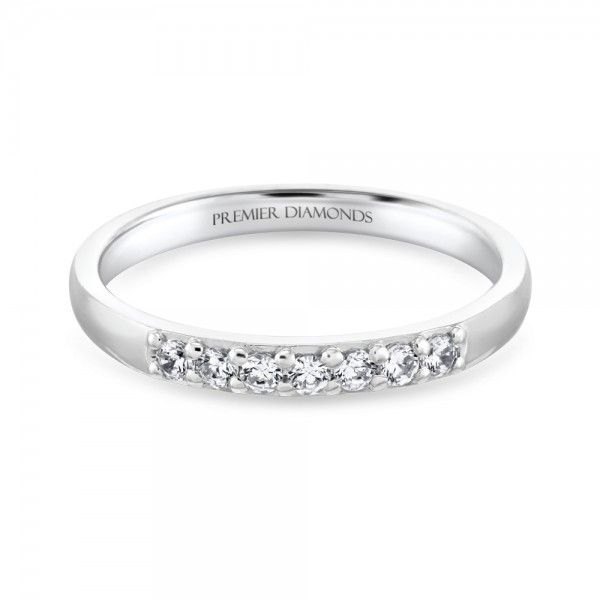
Choosing the right base materials is crucial for durability, pricing, and compliance. For jewelry wholesale brands, the “best” material balances cost-effectiveness with long-term wearability. The 2025 market prioritizes hypoallergenic wholesale jewelry and sustainable, durable materials.
Key Metal Comparison: Durability vs. Cost
The modern jewelry manufacturer primarily works with four core base materials: Stainless Steel, Brass, Sterling Silver, and Gold Vermeil. Each serves a specific price and durability tier.
PVD Stainless Steel: Known for its extreme durability and waterproof qualities. It is highly resistant to scratching and tarnishing. Stainless steel is often the best choice for hypoallergenic wholesale jewelry.
Sterling Silver (925): A premium material offering low-allergy properties and a higher perceived value. However, it requires an anti-tarnish coating (like rhodium plating) to maintain its shine, as silver is prone to oxidation.
Brass: The most economical base metal for plating. Brass jewelry is common in fast-fashion private-label jewelry, but it has the highest risk of tarnishing and may require higher plating quality to prevent the base metal from showing through.
Gold Vermeil: This refers to sterling silver that is plated with a thick layer (at least 2.5 microns) of gold. It offers a luxury look but is more durable and hypoallergenic than standard brass plating.
Gemstones and Quality Standards
For stones, buyers must understand quality metrics. The most common quality standard is the 4 Cs (Cut, Color, Clarity, Carat Weight), which applies to both natural and lab-grown diamonds.
Lab-Grown Diamonds: These stones offer guaranteed conflict-free sourcing and significantly lower prices. They are the same chemically and optically as mined diamonds. For wholesale, this is the most profitable sustainable choice.
Cubic Zirconia (CZ): The economical choice for fashion jewelry. Look for high-quality CZ with a brilliant cut to ensure maximum sparkle and clarity.
Quality Certification: Always ask your jewelry supplier for stone certification from reputable laboratories (like GIA or IGI) for high-value purchases.
Material Performance Comparison
This chart provides a direct material comparison for key purchasing decisions in jewelry wholesale.
| Feature | PVD Stainless Steel | Sterling Silver | Gold Vermeil | Brass |
| Cost Level | Low-to-Mid | Mid | Mid-to-High | Lowest |
| Hypoallergenic | Excellent | Very Good | Very Good | Fair |
| Durability | Excellent | Fair | Good | Poor |
| Tarnish Risk | Very Low | High | Low | High |
| Plating Standard | PVD | Rhodium/E-Coat | 2.5 Micron Minimum | Standard Plating |
What Regulations and Sustainability Standards Matter?
Compliance Area 1: Essential Chemical Limits
Navigating jewelry compliance regulations is non-negotiable for selling in major Western markets. This covers the presence of harmful heavy metals and common skin allergens.
Nickel-Release Rules (REACH): The EU’s REACH regulation strictly limits the release of Nickel—a common skin allergen—in prolonged skin contact items. Compliance is mandatory for European market entry.
Lead/Cadmium Limits (Prop 65): The US, particularly California (Prop 65), enforces strict limits on heavy metals like Lead and Cadmium. Exceeding these limits requires clear warnings or risk of product recall.
Compliance Area 2: Sustainability and Ethical Sourcing
The demand for ethical practices now drives purchasing decisions. This shifts the focus to how and where materials are acquired.
Ethical Sourcing & Conflict Minerals: The Kimberley Process guarantees conflict-free diamonds. Furthermore, the growing demand for fair-trade gemstones ensures transparent supply chains, fair wages, and safe working conditions for miners.
Recycled Metals: Sourcing certified recycled gold and silver is a major point of differentiation. Promoting the use of recycled metals attracts environmentally conscious consumers and significantly strengthens your brand’s ethical narrative, positioning you as a leader in sustainable wholesale jewelry.
Three Core Global Compliance Standards
| Standard | Focus Area | Required Proof | Why It Matters for Wholesale |
| REACH (Nickel) | Chemical Safety | Third-Party Lab Test Report | Prevents product seizures and allergy issues in the EU. |
| Prop 65 (Lead/Cadmium) | Chemical Safety | Lab Report & Manufacturer Declaration | Mandatory for selling in the critical California market. |
| Ethical Sourcing | Material Ethics | Kimberly Process/Fair-Trade Cert. | Protects brand reputation and attracts the sustainable wholesale jewelry consumer. |
Conclusion
Navigating the 2025 jewelry wholesale landscape requires strategic alignment. The market is demanding customization, speed, durability (like PVD stainless steel), and ethical transparency. Successful brands are shifting focus from simply buying stock to building a responsive, compliant supply chain.
Key Takeaways for Your 2025 Strategy
Trends are Fast: Prioritize rapid prototyping for new collections, focusing on high-demand, hypoallergenic wholesale jewelry and lab-grown diamonds.
Sourcing is Efficiency: Asia, particularly China, remains the leader for cost-effective private label jewelry due to its integrated supply chain and low MOQs.
Vetting is Everything: Always vet your jewelry supplier for strict global QC protocols, including REACH and Prop 65 compliance, to mitigate costly recall risks.
Future-Proof Your Brand with S&J
Your choice of jewelry manufacturer defines your brand’s future. S&J is not just listed among the top; we are the expert enabler built for the challenges of 2025. We combine the manufacturing efficiency of the East with the strict compliance standards of the West, offering rapid 3D modeling and closed-loop QC. If your goal is to launch high-quality, fully compliant private label jewelry lines quickly and with minimal risk, S&J is your strategic partner.
Ready to Launch Your Custom Line?
Contact S&J to discuss your private label design concept today.
Start Your Custom Project with S&J

Samuel Li
As Co-founder of S&J Jewellery(Est 2010), I oversee business development, sales, and production. I've successfully managed over 1,000 custom jewelry projects for global brands. My expertise in jewelry manufacturing solutions, combined with strong communication and market insights, has earned lasting trust from international partners. I ensure every project reflects precision and reliability.


