
Choosing the right stainless steel jewelry manufacturer is not only about finding a supplier with competitive prices. A suitable manufacturer should match your brand’s product direction, material requirements, finishing expectations, quality standards, and customization needs. Knowing these key areas helps you make better business decisions and build stronger supplier relationships.
Many buyers focus heavily on catalog options, unit pricing, and minimum order quantities during their initial search. While these basic factors matter, long-term success depends on deeper manufacturing capabilities. A reliable partner understands the market, maintains stable production quality, respects different product positioning, and provides ongoing development support. This guide covers the essential steps to evaluate suppliers effectively.
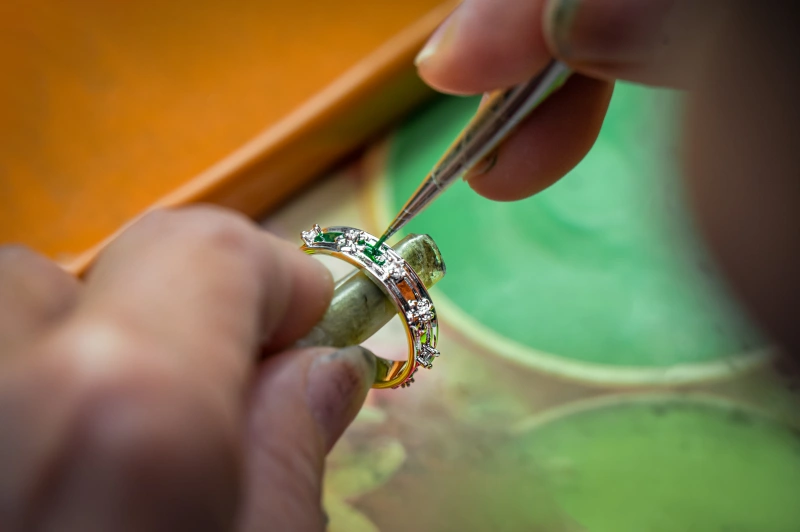
What Makes a Good Stainless Steel Jewelry Manufacturer?
Finding a capable partner involves more than choosing a company with a glossy catalog. Different suppliers specialize in different areas, such as high-volume basics, custom collections, or advanced PVD gold plating. The ideal factory depends on your exact brand needs, product quality expectations, and long-term business goals.
Key Factors to Evaluate a Stainless Steel Jewelry Manufacturer
| Evaluation Factor | Why It Matters |
| Product Expertise | Ensures the manufacturer understands your specific category and market niche. |
| Material Knowledge | Directly affects product durability, hypoallergenic safety, and brand positioning. |
| Finishing Capabilities | Determines visual appeal, color retention, and daily wear performance. |
| Manufacturing Experience | Guarantees stable production quality and reduces unexpected defect rates. |
| Customization Support | Helps bring unique designs to life through flexible OEM/ODM processes. |
| Quality Control | Maintains consistency across large batches and protects brand reputation. |
An experienced manufacturer acts as a strategic partner rather than a passive order taker. True manufacturing experts review your technical designs early. They offer practical advice on material selection, structural integrity, and electroplating performance to reduce costs and avoid production defects.
Evaluate the Manufacturer’s Stainless Steel Jewelry Categories
Choosing a supplier involves more than confirming if they can make jewelry. Different factories focus on different design styles, production techniques, and target markets. Working with a factory that regularly produces your specific category ensures higher consistency, lower defect rates, and a better understanding of your brand requirements.
When assessing a potential factory, look beyond their sample room display. Ask how long they have manufactured products similar to your active collection. A manufacturer with deep category experience already understands the structural challenges, weight distribution, and functional details required for those specific designs.
Experienced partners help refine your designs before mass production starts. For instance, suppliers like S&J Jewellery regularly work across various categories, providing direct feedback on technical details like clasp strength, link flexibility, and surface plating durability. This long-term category familiarity helps prevent production delays and guarantees consistent finished quality for your customer base.
| Jewelry Category | Common Products | Suitable Brand Positioning |
| Men’s Stainless Steel Jewelry | Heavy chains, wide bands, bold bracelets | Masculine, urban, and edgy fashion brands |
| Minimalist Jewelry | Thin rings, simple pendants, delicate studs | Everyday wear, subtle, and modern lifestyle brands |
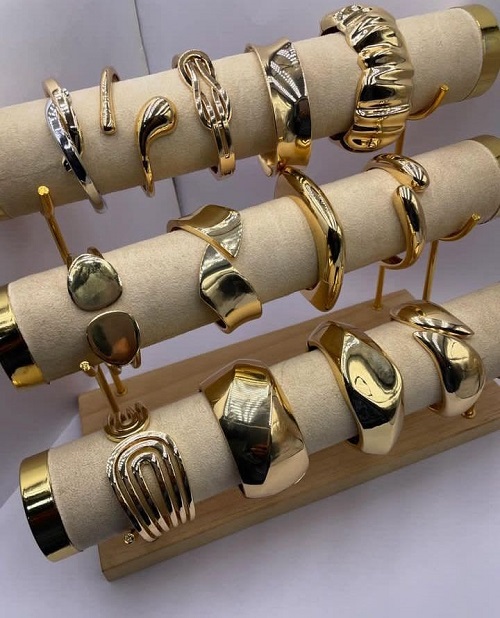
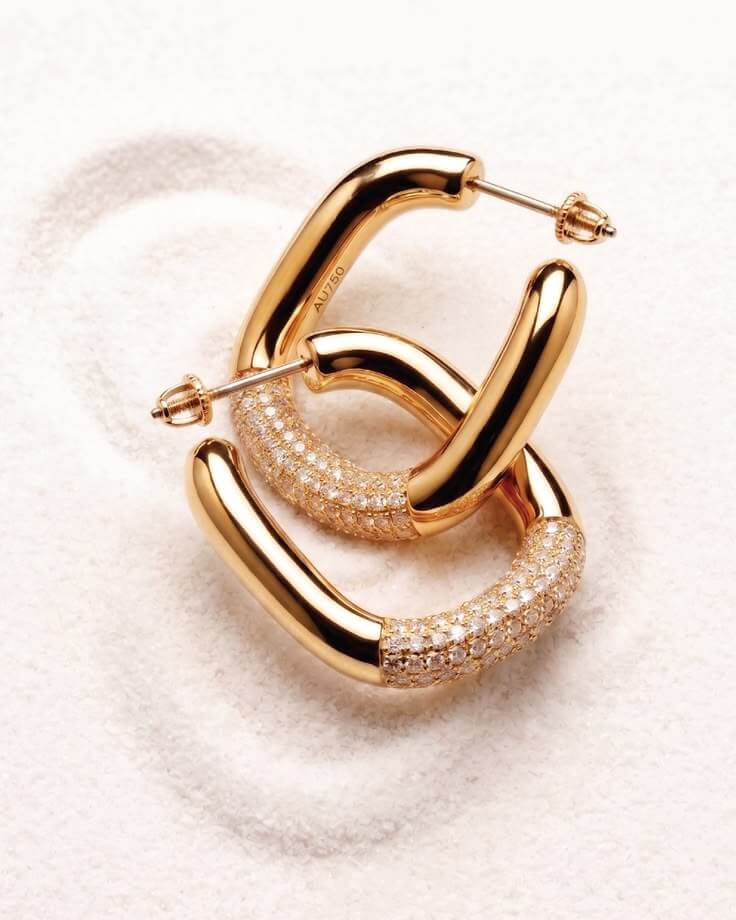
| Fashion & Statement Jewelry | Large earrings, intricate shapes, trend items | Fast-fashion and trend-focused jewelry brands |
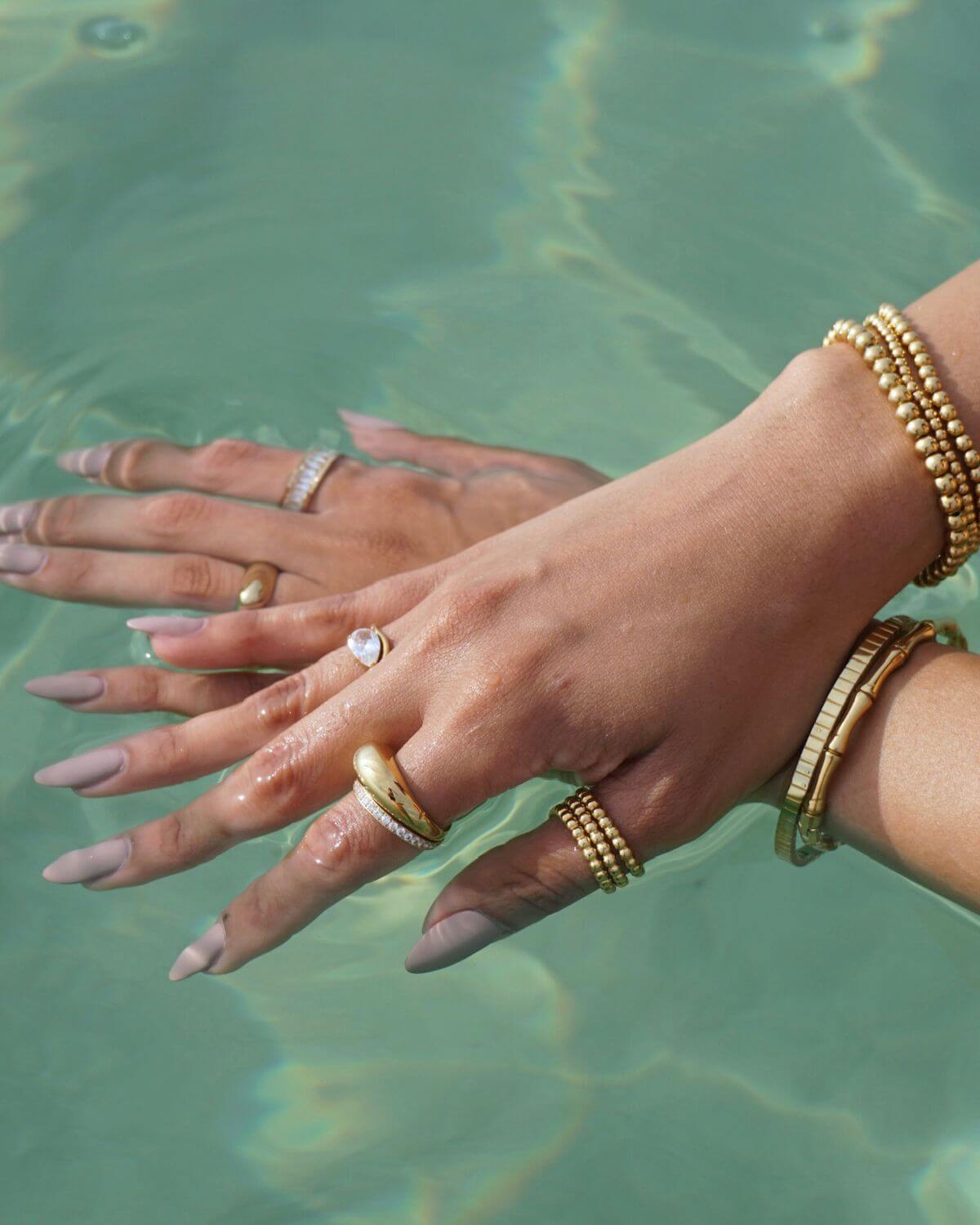
| Gold-Tone Stainless Steel Jewelry | PVD gold-plated chains, rings, and bangles | Premium brands seeking a durable gold appearance |
Evaluate the Stainless Steel Materials Used by the Manufacturer

When evaluating a jewelry factory, never assume that all stainless steel materials are the same. Stainless steel comes in distinct alloy grades with vastly different performance levels, raw material costs, and corrosion resistance. If your goal is to build a high-end jewelry brand that promises waterproof durability, you must partner with a manufacturer that uses premium 316L stainless steel. Understanding how material grades differ helps you match product quality with your retail strategy.
Stainless Steel Material Grade Comparison
| Material Grade | Key Physical Characteristics | Ideal Jewelry Applications |
| 316L Stainless Steel | Superior corrosion resistance, highly hypoallergenic, handles daily water exposure | Premium jewelry collections, waterproof rings, daily wear bands, and body jewelry |
| 304 Stainless Steel | Highly cost-effective, durable, moderate corrosion resistance in dry environments | Entry-level fashion accessories, seasonal collections, decorative items, and hair jewelry |
Many buyers assume they must order 316L stainless steel for every product in their catalog. However, choosing raw materials strictly based on the highest grade can raise unit production costs without adding noticeable value for certain accessory types.
Real manufacturing data shows that 304 grade stainless steel works exceptionally well for entry-level fashion items. For secondary accessory lines or decorative pieces that do not face direct body sweat or daily water exposure, 304 steel keeps unit costs low while maintaining structural strength.
For premium, high-end collections, 316L remains the gold standard in the jewelry industry. Its higher nickel and molybdenum content provides medical-grade safety and protects pieces against tarnish or tarnish-related customer returns.
Always ask suppliers for chemical inspection reports verified by independent bodies like SGS to confirm metal composition. Verified materials guarantee compliance with international safety laws such as EU REACH standards.
Evaluate the Manufacturer’s Stainless Steel Jewelry Finishing Processes
Two identical stainless steel rings can look completely different on a store display shelf. The final visual appearance and texture depend almost entirely on surface finishing and coating methods. Evaluating how a factory processes its surfaces helps you select products that resist scratches, maintain color, and fit your brand identity.
Overview of Stainless Steel Finishing Processes
| Finishing Process | Visual Appearance | Suitable Applications |
| High Polish | Bright, smooth, and highly reflective | Classic jewelry, formal designs, and premium collections |
| Matte Finish | Non-reflective with a subtle, soft look | Modern styles, minimalist fashion, and gender-neutral lines |
| Brushed Finish | Distinct textured lines with a muted sheen | Men’s jewelry, industrial designs, and everyday accessories |
| PVD Coating | Durable gold, rose gold, or dark color finish | Premium gold-tone collections and daily wear jewelry |
The Role of Mechanical Polishing and Surface Textures
Polishing creates the foundation for all stainless steel jewelry designs. High mechanical polishing removes microscopic tool marks, creating a smooth surface that reflects light evenly. Meanwhile, brushed and matte finishes use special abrasive wheels to create controlled textures. These subtle textures work exceptionally well for minimalist collections and men’s jewelry lines.
PVD Coating Technology and Plating Durability
Physical Vapor Deposition (PVD) coating is the preferred method for gold stainless steel jewelry. In a vacuum chamber, vaporized titanium nitride or real gold bonds directly with the steel base. This advanced process allows factories to produce rich yellow gold, warm rose gold, and sleek black finishes that withstand daily friction.
Manufacturing Insights on Long-Lasting Plating Quality
Many buyers believe gold fading happens simply because a factory uses thin plating layers. However, real manufacturing tests show that coating adhesion depends mostly on thorough surface preparation. Any remaining polishing compound or microscopic oil film prevents the gold vapor from bonding properly with the metal surface.
To ensure long-term color retention, suppliers must enforce strict multi-stage ultrasonic cleaning before entering the vacuum chamber. Factories with dedicated electroplating facilities, such as S&J Jewellery, manage surface cleaning protocols and coating thickness directly. This precise manufacturing control guarantees reliable tarnish resistance and consistent color performance for your collections.
Evaluate the Manufacturer’s Stainless Steel Jewelry Manufacturing Capabilities
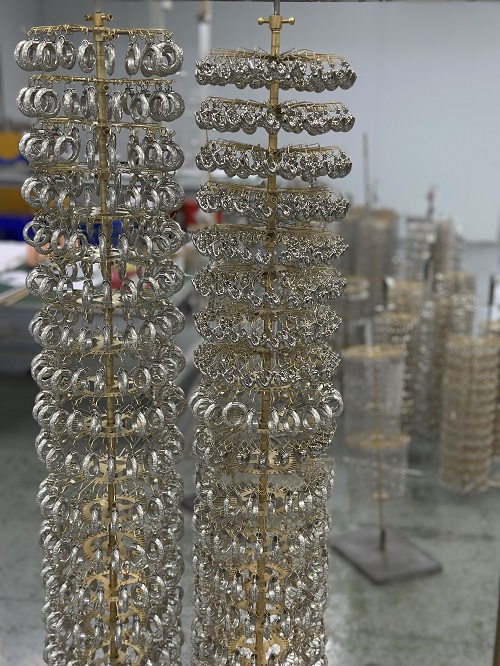
There is a big difference between a reseller that sells jewelry products and a real factory that manufactures them. Understanding a supplier’s true manufacturing setup helps you know if they can produce complex designs and deliver identical quality across multiple batch orders.
Core Manufacturing Capability Evaluation
Evaluating a supplier requires looking closely at their technical strengths and specialized equipment:
- Precision Processing: Guarantees exact design dimensions and sharp structural lines. Advanced CNC cutting machinery ensures that complex geometrical shapes are produced without variance.
- Polishing Capability: Creates a smooth base surface and removes minor tool marks. High-grade multi-stage polishing is necessary before any surface coating can bond properly.
- Laser Engraving: Supports custom logo placement, personalized serial numbers, and micro-detail work. Precise engraving machinery keeps brand markings sharp and clean.
- Assembly Experience: Ensures secure clasps, flexible chain joints, and reliable stone setting. Skilled workers handle delicate assembly steps to prevent structural failure during long-term wear.
Understanding Factory Equipment and Production Workflows
A capable stainless steel jewelry manufacturer controls every key stage in-house. This includes raw material cutting, metal forming, multi-stage polishing, laser engraving, hand assembly, and strict quality checking. Complex designs require specialized molds, modern precision tools, and experienced artisans who understand structural balance.
Real manufacturing capability is not just about daily output volume. It reflects a factory’s technical ability to replicate identical quality consistently across every batch. Established manufacturers manage complete production workflows in-house, ensuring each piece meets exact structural specifications and quality expectations every single time.
Evaluate Stainless Steel Jewelry Quality Standards
Establishing clear quality standards prevents costly product returns and protects your overall brand reputation. Evaluating jewelry quality requires looking closely at raw material specifications, physical craftsmanship, and long-term surface coating durability. Working with a factory that enforces strict inspection protocols keeps defect rates low and ensures long-term batch consistency.
Comprehensive Quality Control Inspection Checklist
| Inspection Area | What Buyers Should Check | Standard Expectations |
| Material Authenticity | Verify raw metal grade through chemical test reports | Confirm accurate alloy balance for 316L or 304 stainless steel with zero toxic heavy metals. |
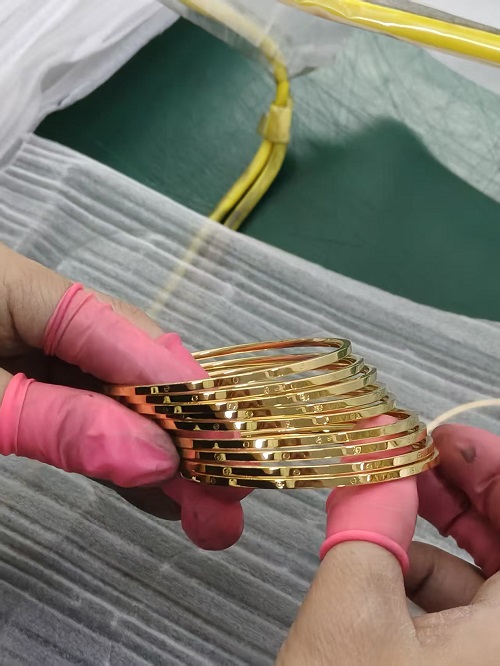
| Surface Polish | Inspect under high-power lighting for visual defects | Zero scratches, dent marks, pitting, or uneven mechanical polishing lines. |
| Size & Fit Accuracy | Measure key dimensions using digital calipers | Precise band thickness, inner diameter accuracy, and consistent chain lengths across batches. |
| Edges & Comfort | Feel all inner band edges, corners, and wire tips | Smooth, bevelled inner edges that prevent skin irritation during extended wear. |
| Color & Plating | Inspect PVD coating under standardized light boxes | Uniform color tone across batches without dark spots, cloudiness, or premature color fading. |
| Clasps & Mechanisms | Test spring clasps, hinges, and screw closures multiple times | Firm closure action, smooth movement, and zero loose mechanical connections. |
| Stone Setting | Check prong settings, bezel mounts, and glued elements | Tight stone hold without movement, straight alignment, and zero excess adhesive residue. |
| Safety & Testing | Review nickel release rate and lead safety compliance | Certified compliance with regional safety laws, including European REACH regulation standards. |
Evaluate OEM and Customization Capabilities
Growing jewelry brands often outgrow off-the-shelf wholesale catalogs as they work to build a distinct market identity. Partnering with a factory that offers deep customization services allows you to turn unique concepts into physical products, add custom brand logos, and protect your long-term designs.
OEM production is designed for brands that bring their own technical drawings, 3D CAD models, and detailed specification sheets to the factory. In this setup, the manufacturer acts purely as a production specialist, bringing your exact visual assets to life while adhering strictly to your structural tolerances.
ODM production fits brands looking to accelerate product launches by utilizing the factory’s existing mold library, historical design experience, and proven aesthetic templates. This approach allows you to place custom branding or minor surface adjustments onto pre-tested, market-proven jewelry structures, significantly lowering initial tooling costs and development timelines.
A capable manufacturing partner provides a complete product development workflow that bridges creative design and physical durability. This process begins with a technical review of 3D CAD files to ensure structural balance, such as checking whether pendant loops can support chain weight or whether ring walls are thick enough to hold stones securely.
Scaling a custom jewelry collection also requires robust private label options that protect your brand equity. A specialized manufacturer handles precision laser engraving to apply clean logos, serial numbers, or custom customer text without distorting the metal surface. Beyond the jewelry piece itself, suppliers with comprehensive private label services assist with custom packaging integration, backing cards, and branded unboxing elements.
Compare Different Stainless Steel Jewelry Manufacturers
Choosing the right production partner goes beyond comparing item prices on a spreadsheet. A lower unit price often comes with hidden costs, such as poor finishing, high defect rates, and delayed shipping schedules. Comparing suppliers using a structured matrix helps you evaluate real manufacturing value.
Supplier Evaluation Criteria Matrix
| Evaluation Factor | Supplier A (Low-Cost Focus) | Supplier B (Trading Company) | Professional Manufacturer |
| Manufacturing Experience | Basic assembly focus | Outsourced production | Over 10 years of in-house manufacturing experience |
| Product Categories | Simple stock designs | Wide reseller selection | Full custom rings, necklaces, bracelets, and earrings |
| Material Options | Mixed metal grades | Standard 304 steel | Verified 316L and 304 grade stainless steel |
| Finishing Capability | Basic mechanical polish | Basic outsourced plating | In-house PVD coating and precision hand polishing |
| Quality Standards | Random sample checks | Visual vendor checks | 100% full inspection across all production stages |
| OEM / ODM Support | Limited or none | Basic packaging logos | Full 3D CAD design, custom tooling, and private label |
| MOQ and Pricing | Low price, high MOQ | Flexible price, high markup | Flexible MOQ policies with direct factory pricing |
The ideal jewelry supplier is never simply the one offering the lowest quote. Instead, look for a long-term partner capable of fulfilling your design specifications, maintaining strict quality controls, and supporting your brand expansion.
Building a Reliable Stainless Steel Jewelry Supply Chain
Choosing a stainless steel jewelry manufacturer requires evaluating far more than product catalogs and wholesale prices. A reliable supplier must bridge material safety, advanced PVD finishing, precise quality control, and flexible OEM or ODM customization to support your long-term retail growth.
For brands seeking direct factory oversight and dependable craft, S&J Jewellery provides an end-to-end manufacturing setup. Operating an in-house electroplating facility and structured quality checks, S&J produces tarnish-resistant 316L and 304 steel pieces tailored to your exact target market.
Ready to streamline your production and lower defect rates? Reach out to the S&J Jewellery engineering team to discuss your custom designs or request a physical sample kit today.

Samuel Li
As Co-founder of S&J Jewellery(Est 2010), I oversee business development, sales, and production. I've successfully managed over 1,000 custom jewelry projects for global brands. My expertise in jewelry manufacturing solutions, combined with strong communication and market insights, has earned lasting trust from international partners. I ensure every project reflects precision and reliability.